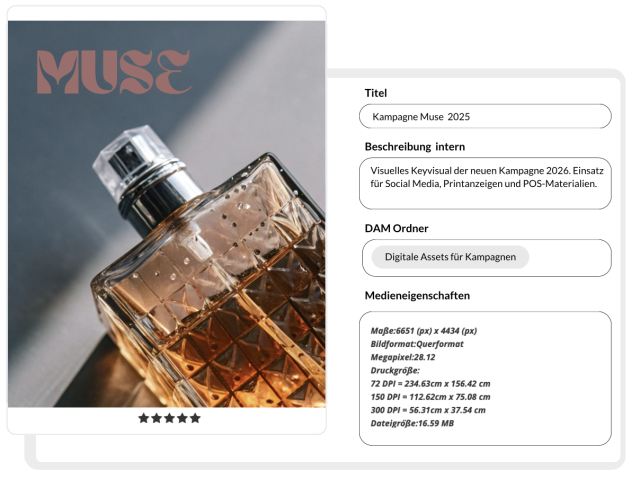
1. Centralized brand library
- Single source of brand assets: All CI elements such as logos, images, videos, fonts, templates, and guidelines are stored in one place.
- Consistency: Uniform management ensures that brand materials are always used correctly.
- Transparency: Every user knows where the latest version of the assets is available.
- Easy management: Changes to colors, templates, or logos are rolled out centrally immediately.
- Structured storage: Categories, keywords, and metadata ensure quick retrieval.
- Version history: Previous versions remain traceable and accessible.
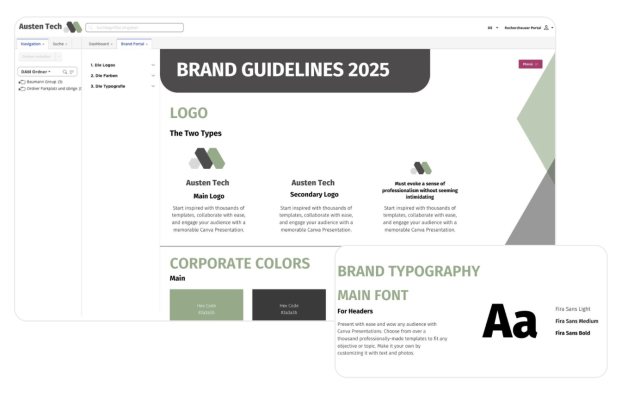
2. Efficient workflows for brand management
- Process automation: Recurring brand management processes can be automated.
- Smooth collaboration: Teams and external stakeholders work together without media discontinuity.
- Real-time updates: Updates in eyebase are immediately visible in all portals.
- Fast approvals: Content can be efficiently reviewed and approved.
- Time savings: Fewer coordination loops speed up brand management.
- Workflow transparency: Everyone involved can see the status of an asset at any time.
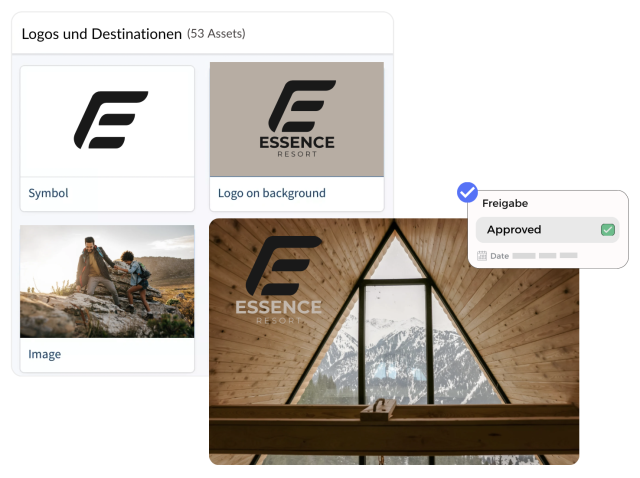
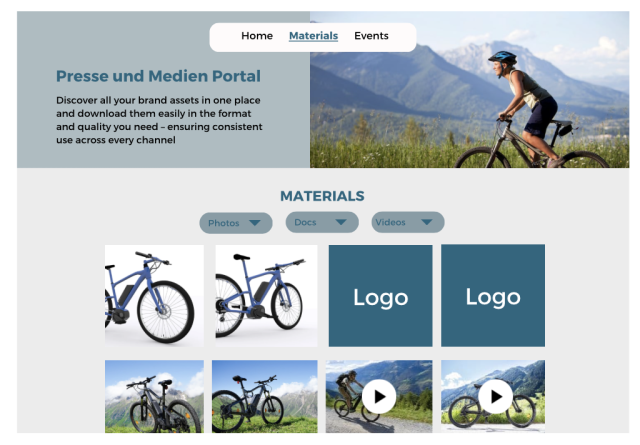
3. Diverse output channels and multi-brand support
- Customized portals: Press portal, CI portal, or partner portal—all target groups receive a tailor-made portal.
- Multi-channel distribution: Assets are automatically distributed across various channels.
- Multi-brand capability: Support for sub-brands, regional variants, and international brands.
- Automated format adjustment: Files are provided in the required formats, sizes, or color spaces.
- Multilingual: Content can be maintained and provided in multiple languages.
4. Control and security
- Digital Rights Management: Access rights are defined individually for user groups.
- Central brand guidelines: Guidelines for the use of logos, colors, and fonts are stored in a binding manner.
- Coordination of partners and resellers: Delivery of exactly the assets they need. No subsequent adjustments necessary.
- Audit compliance: Every change to brand materials is documented.
- On-premise or cloud: Flexible provisioning according to security and compliance requirements.